por
Keith Loria, Reporter | November 30, 2009

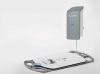
Siemens Ysio digital
radiography system
This report originally appeared in the November 2009 issue of DOTmed Business News
Although radiographic and fluoroscopic equipment are linked because they both begin with an X-ray source to initiate the imaging process, the Rad and R/F rooms containing the equipment do have their differences.
While each does provide radiographic and chest imaging, the R/F room can put the image up on a monitor to offer live imaging. Both modalities usually occupy the same location in a hospital and offer a similar room layout, but the R/F room, as the name suggests, is set up for radiographic and fluoroscopy procedures.


Ad Statistics
Times Displayed: 348574
Times Visited: 21068 MIT labs, experts in Multi-Vendor component level repair of: MRI Coils, RF amplifiers, Gradient Amplifiers Contrast Media Injectors. System repairs, sub-assembly repairs, component level repairs, refurbish/calibrate. info@mitlabsusa.com/+1 (305) 470-8013
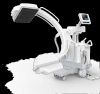
Philips MultiDiagnost
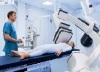
Eleva
"R/F systems are more complex because you are dealing with much larger (X-ray) doses and you need more control in terms of management and you need more preset configurations," said Scott Burkhart, Vice President, General X-ray for Philips Healthcare. "The difference is really in the imaging chain and how you deliver X-ray dose and that's really in the design of the product itself."
An R/F room can also be set up as conventional, where the physician stands right besides the patient, or remote control systems, where they sit in a control room behind a leaded glass window.
"In the U.S. market, it's probably about 80 percent conventional because that's the way physicians were trained," said Tom Treusdell, Director of Product Marketing for X-ray & Fluoroscopy at Siemens Healthcare. In the rest of the world, Treusdell said, it's nearly the opposite, with 80 percent of those countries utilizing remote options. This is because by the time these rooms were constructed, there were significant findings of the hazards of extensive exposure to X-ray radiation, so those professionals opted to work outside of the radiation field.
Business Is Down
Industry experts estimate that the X-ray business has dropped more than 30 percent in the past year and the radiographic and fluoroscopic equipment manufacturers are feeling the effects.
Currently, Siemens, Philips and GE comprise a large percentage of the market on new equipment, with other companies such as Toshiba, Cannon and Shimadzu having made inroads in recent years.